قمة بغداد: مصر تحت الضغط … والعرب يطالبون العالم بما لا يجرؤون على فعله.. والكلمة الاقوى اسبانية.. يُنشر باللغتين
- بغداد AF
-
منذ سنة - Sunday 18 May 2025

AF
تحليل سياسي – خاص
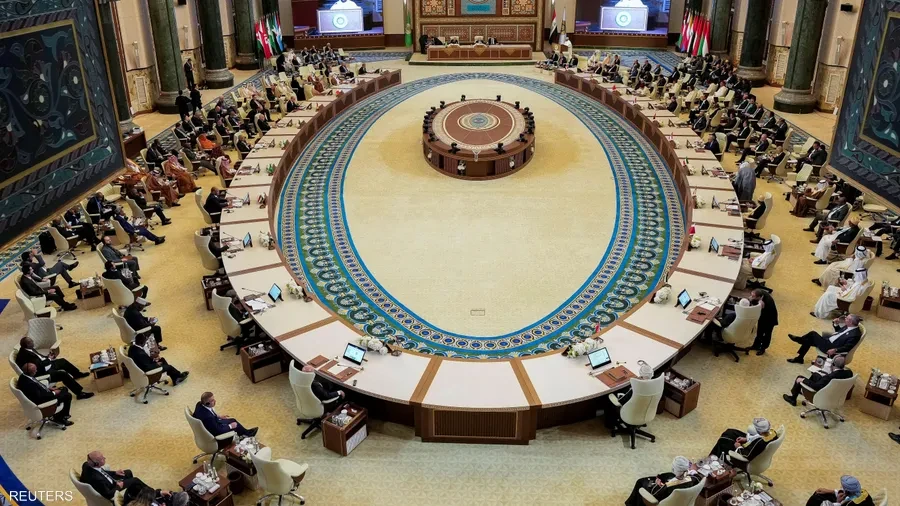
انعقدت القمة العربية في بغداد وسط مجازر غير مسبوقة تشهدها غزة، ومطالبات شعبية عربية بتصعيد الموقف الرسمي تجاه إسرائيل. لكن نتائج القمة جاءت مخيبة، تكررت فيها لغة الإدانات والدعوات العامة دون أي خطوات ملموسة.
أبرز ما ميّز القمة لم يكن كلمة عربية، بل الكلمة الأقوى جاءت من رئيس الوزراء الإسباني بيدرو سانشيز، الذي تحدث بصراحة عن جرائم الحرب الإسرائيلية، وطالب بتحقيق العدالة الدولية للفلسطينيين.
في المقابل، جاءت كلمة الرئيس المصري عبد الفتاح السيسي حذرة، تعكس توازنًا دقيقًا بين ضغط الشارع المصري المطالب بموقف قوي، وضغوط أمريكية وخليجية تمنع أي تصعيد فعلي.
مصادر سياسية مطلعة أكدت أن القاهرة تواجه ضغوطًا متزايدة من بعض دول الخليج وواشنطن لضبط علاقتها مع قطاع غزة، والامتناع عن خطوات قد تزعج إسرائيل أو تُفسر كدعم للمقاومة الفلسطينية.
غياب القرارات… وحضور النفاق السياسي
رغم تواتر المجازر اليومية في غزة، لم تخرج القمة بأي قرار عملي:
لم تُقطع علاقات دبلوماسية
لم تُفرض أي عقوبات
لم يُرفع مستوى الضغط القانوني أو الإعلامي الدولي
بدت القمة أشبه ببيان علاقات عامة أكثر من كونها اجتماعًا لقيادة عربية تُدرك خطورة اللحظة.
رسائل خفية… وتحالفات واضحة
بين سطور الخطابات، كان واضحًا أن بعض الأنظمة العربية لا ترغب في التصعيد، وتفضل الحفاظ على علاقاتها السياسية أو الأمنية مع واشنطن وتل أبيب، حتى على حساب التضامن مع غزة.
في الختام: من يوقف الحرب؟
القادة العرب دعوا العالم لإيقاف الحرب، لكنهم لم يخطوا خطوة واحدة في هذا الاتجاه.
فمن يملك العلاقات مع تل أبيب؟ من ينسق أمنيًا؟ من يفتح الأجواء؟ من يمول؟
الجواب معروف. والسؤال الآن:
هل القمة القادمة ستكون مختلفة، أم أننا دخلنا زمن “العجز الرسمي” كخيار استراتيجي
سلام
.....................................
English Version (For News Publication):
Baghdad Summit: Egypt Under Strategic Pressure as Arab Leaders Demand What They Won’t Dare Do
Political Analysis – Exclusive
The Arab League Summit held in Baghdad came at a time of unprecedented Israeli atrocities in Gaza and mounting public pressure across the Arab world for decisive action. Yet, the summit produced little more than familiar rhetoric—statements of condemnation, calls for restraint, and pleas to the international community—with no concrete measures.
Ironically, the strongest and most direct speech came not from an Arab leader, but from Spanish Prime Minister Pedro Sánchez, who openly criticized Israeli war crimes and called for international justice for Palestinians.
By contrast, Egyptian President Abdel Fattah El-Sisi delivered a cautious address, reflecting the delicate balancing act between domestic demands for a firm position and external pressures from Gulf states and Washington discouraging any escalation.
Well-informed sources revealed that Egypt is facing mounting pressure to maintain coordination with Israel and avoid any moves that could be perceived as support for Palestinian resistance.
Empty Declarations… and Political Hypocrisy
Despite the daily bloodshed in Gaza, the summit failed to produce any actionable decisions:
No diplomatic ties were severed
No sanctions were imposed
No international legal or media campaigns were launched
The summit felt more like a public relations event than a gathering of leaders confronting a historic crisis.
Unspoken Messages… and Clear Alliances
Between the lines, it became evident that several Arab governments prefer to maintain their security and political ties with Tel Aviv and Washington—even at the cost of abandoning Gaza.
In Conclusion: Who Will Stop the War?
Arab leaders called on the world to stop the war, yet took no steps themselves.
Who has ties with Tel Aviv? Who coordinates security? Who opens airspace? Who funds the war machine?
The answers are known. The only real question is:
Will the next summit be any different—or have we entered an era where official Arab paralysis is the new political doctrine?
AF