يُنشر باللغتين: المشاط يهدد شركات السلاح الأمريكية: هل بدأت مرحلة جديدة من الحرب غير المتكافئة؟ .. Al-Mashat Threatens U.S. Arms Manufacturers: A New Phase in Asymmetric Warfare?// خاص AF
- خاص AF
-
منذ سنة - Monday 21 April 2025

AF
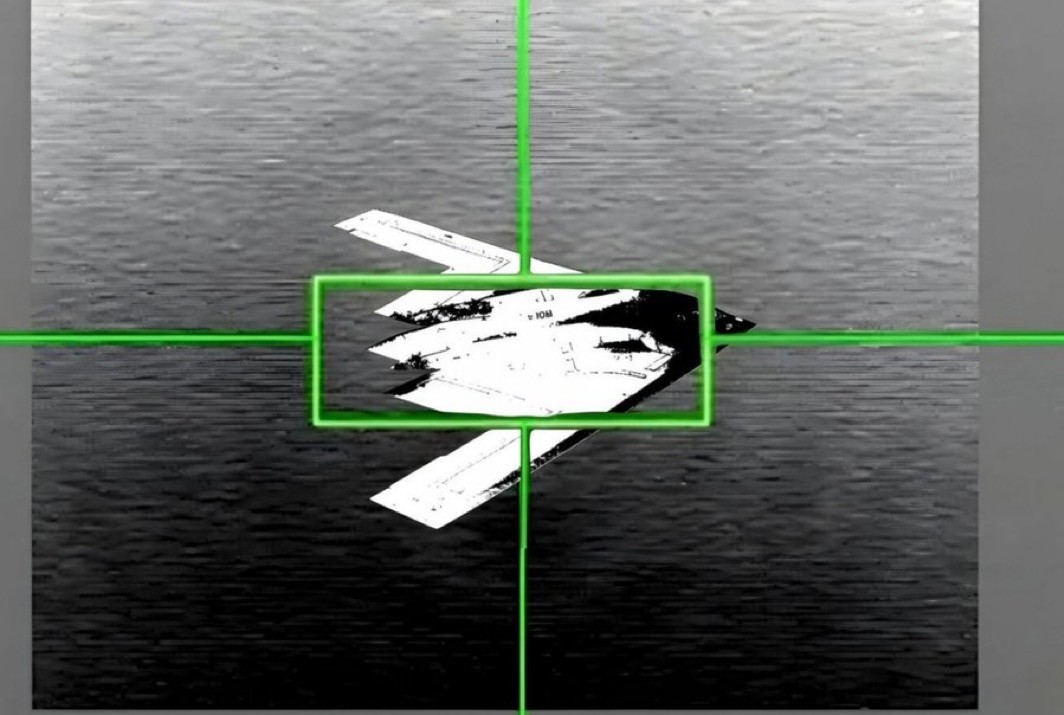
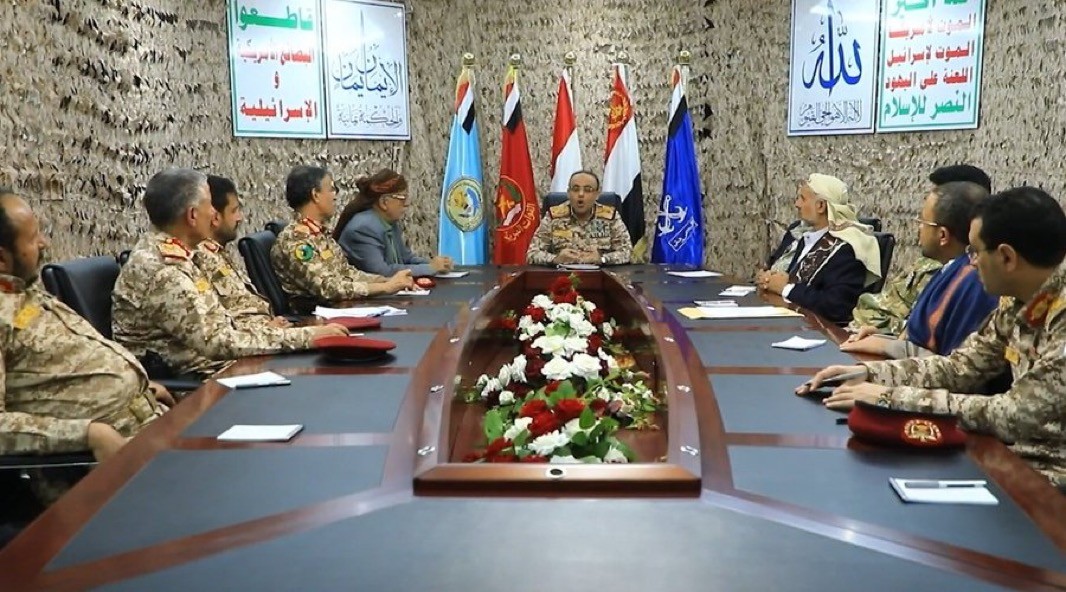
في تطور لافت يعكس تصعيداً غير تقليدي، أعلن مهدي المشاط، رئيس المجلس السياسي الأعلى لجماعة أنصار الله (الحوثيين)، نية جماعته استهداف شركات تصنيع الأسلحة الأمريكية، كرد على دعم واشنطن المباشر للهجمات التي طالت اليمن مؤخراً. هذا التهديد يفتح الباب أمام تساؤلات حول طبيعة الحرب القادمة، ومدى جدية القدرات الحوثية في نقل المعركة إلى عمق الصناعات العسكرية الغربية.
رسائل التهديد:
تهديد المشاط يتجاوز كونه رداً رمزياً، ليشكل تحدياً مباشراً لما يُعرف بـ”المجمع الصناعي العسكري الأمريكي”. فالرسالة الحوثية تتضمن بُعدين رئيسيين:
تحميل الشركات العسكرية مسؤولية مباشرة في قتل المدنيين، وتوسيع دائرة “العدو” لتشمل ليس فقط الجيوش ولكن من يمول ويسلح.
نقل الحرب من الميدان العسكري إلى ميادين الحرب النفسية والسيبرانية، وربما إلى سلاسل الإمداد والأسواق الدولية.
سيناريوهات محتملة للاستهداف:
الهجمات السيبرانية: محاولة اختراق أو تعطيل أنظمة إلكترونية في شركات مثل لوكهيد مارتن أو رايثيون، ضمن حرب سيبرانية تشبه ما تقوم به إيران.
الحملات الإعلامية الدولية: فضح الدور الأمريكي عبر تقارير حقوقية، واستهداف صورة هذه الشركات في المحافل الدولية.
ضربات غير مباشرة عبر الحلفاء الإقليميين: قد تُستخدم قواعد أمريكية أو شحنات عسكرية خارج الأراضي الأمريكية كأهداف رمزية.
استهداف شحنات الأسلحة: خاصة في البحر الأحمر، ضمن استهداف خطوط الإمداد لا سيما المتجهة نحو الخليج أو إسرائيل.

قراءة في القدرات الحوثية:
رغم بساطة بنيتها، أثبتت الجماعة قدرتها على تنفيذ عمليات دقيقة ومعقدة، من قصف منشآت أرامكو إلى اعتراض سفن إسرائيلية. تطورها التقني واضح، واستهانتها بالنمط العسكري التقليدي يجعلها أكثر مرونة وتكيّفاً في الحروب غير المتماثلة.
خاتمة:
تهديد الحوثيين لشركات السلاح الأمريكية لا يجب أن يُفهم كمجرد دعاية حربية، بل كمؤشر على تحوّل في استراتيجية المواجهة، وانخراط الجماعة في حرب رمزية ذات أبعاد اقتصادية ونفسية. هو أيضاً رسالة تحريض ذكية تستهدف الرأي العام الغربي، وتعيد توجيه النقاش من “الإرهاب” إلى “محاسبة من يصنع أدوات القتل”
Title: Houthis Threaten U.S. Arms Manufacturers: Symbolic Gesture or a New Front in Asymmetric Warfare?
Executive Summary:
In a significant and unconventional escalation, Mahdi al-Mashat, head of Yemen’s Supreme Political Council (aligned with the Houthi movement), declared that American weapons manufacturers would be considered legitimate targets in response to U.S. support for airstrikes on Yemen. This statement signals a strategic shift that may mark the expansion of the conflict into new domains—including cyberspace, media warfare, and global supply chains.
Strategic Implications:
This threat carries dual symbolic and practical implications:
Accountability Rhetoric: The Houthis are seeking to hold not only military actors but also the U.S. arms industry accountable for the human cost of the war in Yemen.
Expanding the Battlefield: The conflict is no longer limited to the physical frontlines; it is evolving into a multidimensional confrontation targeting the infrastructure of war-making itself.
Potential Avenues of Attack:
Cyber Warfare: With Iranian backing and increased technical sophistication, the Houthis may attempt to launch cyberattacks on U.S. defense companies such as Raytheon, Lockheed Martin, or Boeing, aiming to disrupt systems or leak sensitive data.
Information Warfare: Through international media campaigns and human rights advocacy, the Houthis may focus on delegitimizing American arms companies and highlighting civilian casualties linked to their products.
Proxy Targeting: U.S. military installations or shipments abroad—particularly in the Gulf, Red Sea, or Eastern Mediterranean—could become symbolic targets via regional allied militias.
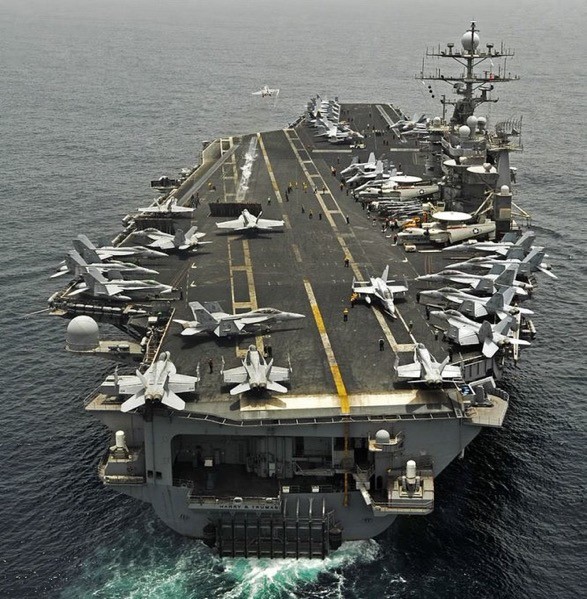
Supply Chain Disruption: The Red Sea shipping lane remains a critical flashpoint, where the Houthis have already demonstrated capacity to intercept or threaten maritime assets.
Capabilities Assessment:
Historically underestimated, the Houthi movement has evolved into a technically capable actor, particularly in missile and drone warfare. Their successful strikes on Saudi oil infrastructure and recent maritime operations suggest a growing ability to execute complex, symbolic attacks—despite limited resources.
Conclusion:
Al-Mashat’s threat should not be dismissed as mere propaganda. It reflects an emerging doctrine that blurs the lines between conventional and unconventional warfare, targeting the economic and industrial foundations of the U.S. military presence in the region. This evolution signals a broader narrative war aimed at reframing the conflict—from counterterrorism to a campaign against corporate war profiteering.


